
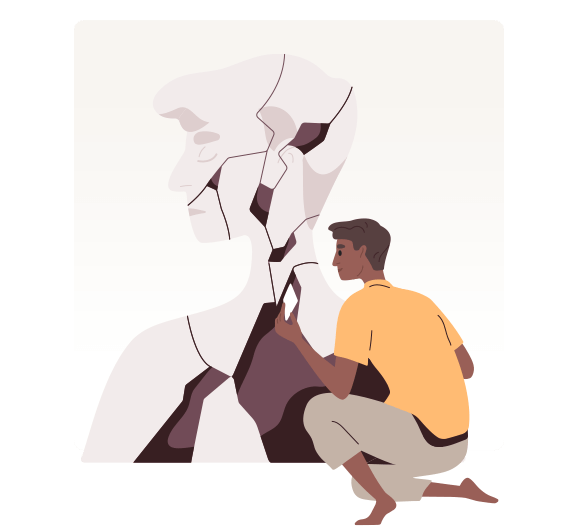




Psychosis

Psychosis is a mental health condition characterized by a loss of contact with reality, leading to significant changes in thoughts, perceptions, emotions, and behaviors. It is often associated with severe mental illnesses such as schizophrenia, schizoaffective disorder, or bipolar disorder with psychotic features. At Kibun Health, we recognize the challenges faced by individuals with psychosis and offer comprehensive support to help manage symptoms and improve overall well-being.

Symptoms

  1. Delusions:
    • False beliefs that are firmly held despite evidence to the contrary. Delusions can take different forms, such as paranoid delusions (believing others are plotting against you) or grandiose delusions (believing one has exceptional powers or importance).
  2. Hallucinations:
    • Sensory experiences that are not based on external stimuli. Common types include auditory hallucinations (hearing voices or sounds), visual hallucinations (seeing things that aren’t there), and tactile hallucinations (feeling sensations on the skin without any physical cause).
  3. Disorganized Thinking and Speech:
    • Fragmented thoughts, difficulty organizing thoughts logically, or incoherent speech patterns that make communication challenging.
  4. Disorganized or Abnormal Behavior:
    • Unusual or unpredictable behavior that may appear bizarre or socially inappropriate.
  5. Negative Symptoms:
    • Reduction or absence of normal emotions, motivation, or ability to engage in activities (e.g., social withdrawal, reduced speech, lack of energy).
https://kibunhealth.com/wp-content/uploads/2021/08/inner_image_02.png
bt_bb_section_bottom_section_coverage_image
https://kibunhealth.com/wp-content/uploads/2021/10/floating_image_home_01-02.png
https://kibunhealth.com/wp-content/uploads/2021/09/hero_services_01.png
https://kibunhealth.com/wp-content/uploads/2021/10/floating_image_home_01-01.png

Types of Psychosis

Schizophrenia

Schizophrenia is a chronic and severe mental disorder characterized by a combination of psychotic symptoms, including hallucinations, delusions, disorganized thinking and speech, and negative symptoms. It often involves significant impairments in daily functioning and interpersonal relationships.

Schizoaffective Disorder

Schizoaffective disorder is a condition that combines symptoms of schizophrenia and mood disorders, such as major depressive disorder or bipolar disorder. Individuals with schizoaffective disorder experience psychotic symptoms alongside significant mood disturbances.

Bipolar Disorder with Psychotic Features

Bipolar disorder with psychotic features is a subtype of bipolar disorder characterized by the presence of psychosis during manic or depressive episodes. Individuals may experience hallucinations, delusions, or disorganized thinking alongside extreme mood swings.


Psychotic Depression

Psychotic depression, also known as major depressive disorder with psychotic features, involves severe depressive symptoms accompanied by psychotic symptoms such as hallucinations or delusions. The presence of psychosis distinguishes it from non-psychotic depression.

Substance-Induced Psychosis

Substance-induced psychosis can occur as a result of substance abuse or withdrawal. Certain substances, such as hallucinogens or stimulants, can trigger psychotic symptoms that may resemble other types of psychosis.

We Are Partners in Your Mental Health Journey

Let's Get Started Today.
bt_bb_section_top_section_coverage_image
bt_bb_section_bottom_section_coverage_image